The Science of Ovulation Tracking
For informational purposes only. The following content reflects general educational information based on publicly available health data. It is not a substitute for personalized advice from a qualified healthcare provider.
Identifying your fertile window is critical for both conception and understanding your reproductive health. Modern science has provided a variety of methods for tracking these hormonal changes.
Hormonal Surges and the Luteinizing Hormone (LH)
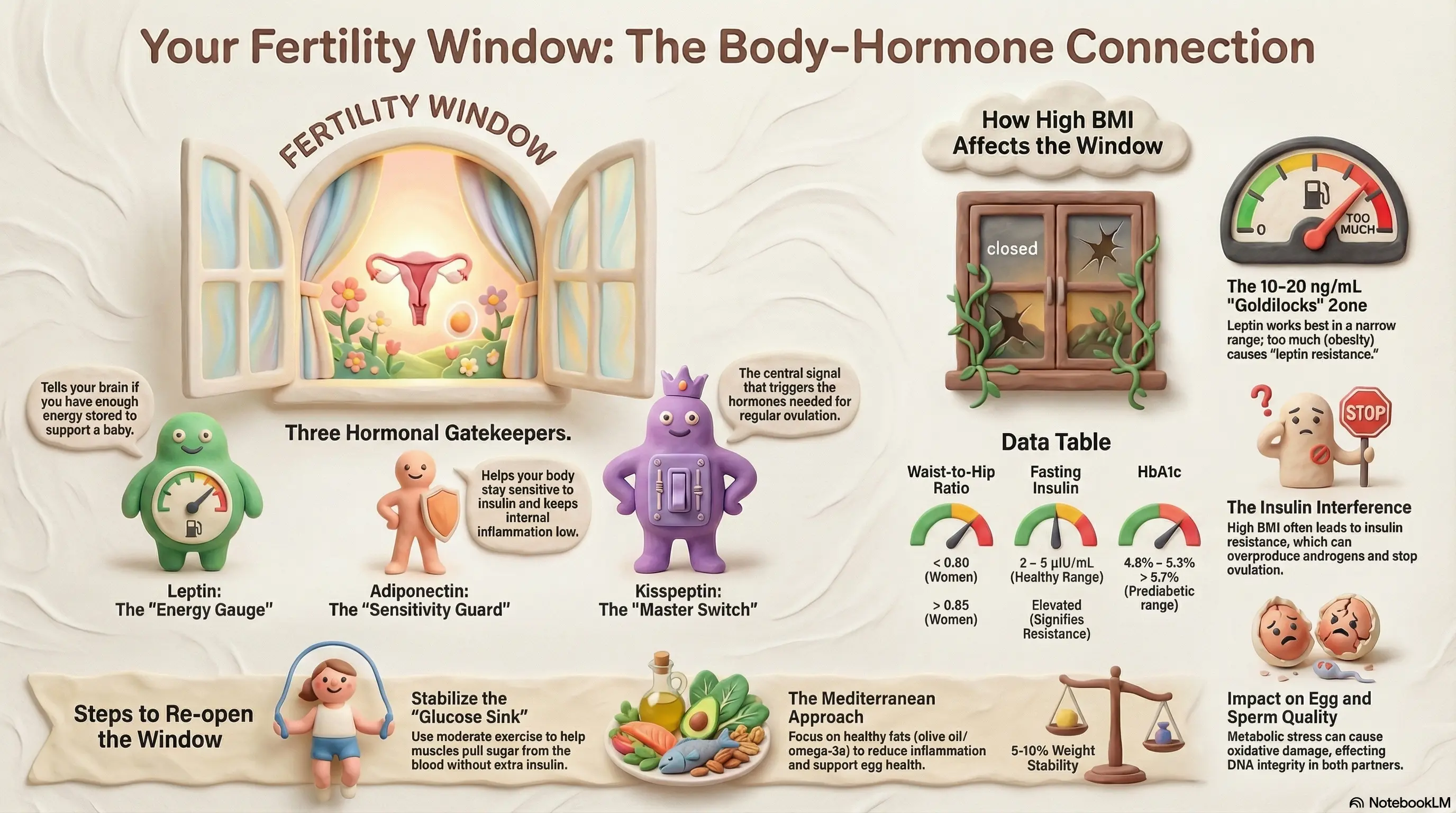
Approximately 24-36 hours before ovulation, the body experiences a significant surge in Luteinizing Hormone (LH). This surge triggers the release of the egg from the ovary. Many modern kits track LH in urine as a primary indicator of fertility.
Basal Body Temperature (BBT)
Another popular method is tracking your basal body temperature. After ovulation, progesterone causes a slight but measurable increase in your resting temperature. Consistent tracking can help you predict your cycle over time.
Understanding the "Fertile Window"
Sperm can survive inside the female reproductive tract for up to five days, while the egg survives for only 12-24 hours after release. This creates a "fertile window" of roughly six days—the five days leading up to ovulation plus the day of ovulation itself.
Expert Consensus and Safety
While tracking is a powerful tool, it’s not infallible. Cycle length can vary due to stress, illness, and travel. For a comprehensive approach, many experts recommend combining multiple tracking methods.
Ready to Take Action?
Don't leave your health up to guesswork. Use our free, advanced educational calculators to instantly explore your baseline metrics right now.